

EARLY GENOTYPE TESTING FOR PREVENTION, CARE, AND INFORMED CHOICES.
Hope Cell Foundation’s First Sickle Cell Outreach in Yaoundé 2025.

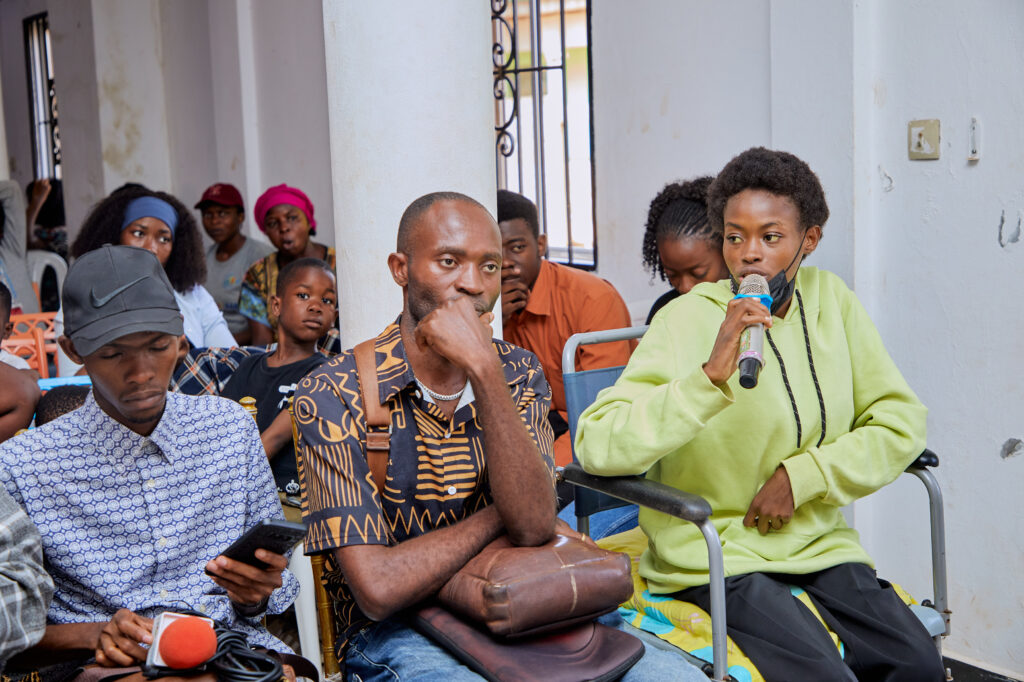
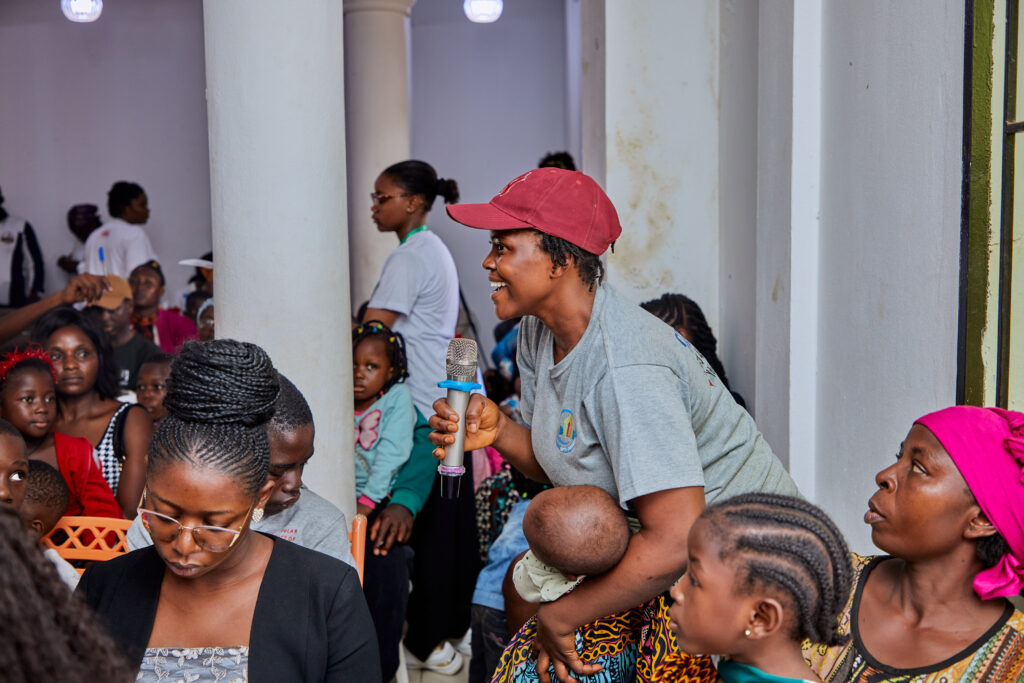
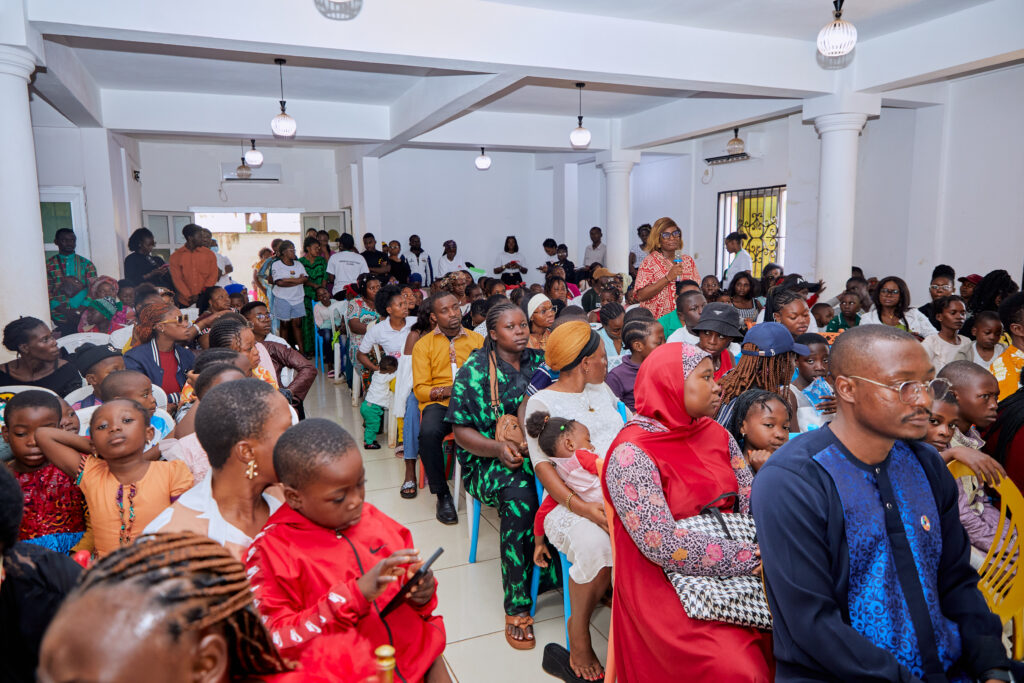
On November 29, after months of preparation, Hope Cell Foundation organized its first outreach in Yaoundé, the Ring the Gene Bell Sickle Cell Awareness Campaign, in collaboration with the NGO A Hand to Humanity.
During the campaign, a total of 173 electrophoresis tests were conducted with the assistance of A Hand to Humanity. Out of the 173 blood samples collected, 96 were AA (normal hemoglobin), 74 were AS (sickle cell trait carriers), and 3 were SS (sickle cell disease). Two out of the three SS cases proceeded with confirmatory testing.
In addition, over 115 sickle cell warriors attended the awareness seminar and received counseling, as well as essential medications including folic acid, hydroxyurea, and penicillin.
The event also brought together well-wishers and individuals who already knew their genotype. This campaign was a success thanks to the collaboration of many selfless individuals and institutions.

Acknowledgements
Special thanks to the Hydrocarbons Prices Stabilisation Fund, whose corporate social responsibility played a key role in advancing our objective. We also appreciate Optimum Health Global for their support in organizing the campaign, and A Hand to Humanity for assisting with the electrophoresis tests at a reduced cost, alongside our dedicated volunteers.
Our gratitude goes to UNDP, Local Youth Corner, Dr Sulem Ingrid (Hematologist in training), Dr Orphe Hott (Pediatrician), and Dr Yenika Ndia of the Etoug-Ebe Baptist Hospital Sickle Cell Clinic.
We also thank sickle cell advocates Arrey Echi, Suh Ransom, and Yongtohmoh Lizette Fien, health journalist Gladys Asu, and media partners CRTV News, CRTV Radio, Canal 2, Cameroon Tribune, and The Guardian Post.
WHAT IS SICKLE CELL DISEASE (SCD)?
Sickle Cell Disease (SCD) is a group of inherited blood disorders that affect red blood cells, which carry oxygen throughout the body. People are born with SCD; it is not contagious.
SCD is most common in parts of Africa, the Middle East, India, and among people whose ancestors come from these regions.
How It Works
Normal red blood cells are round and flexible, allowing them to move easily through small blood vessels. In people with SCD, many red blood cells become hard and sickle-shaped. These cells can:
Stick together
Block small blood vessels
Break down faster than normal red blood cells
When blood vessels are blocked, parts of the body do not receive enough oxygen. This causes pain and can damage organs. Because sickle cells die early, people with SCD develop anemia, which means a low red blood cell count.
What Causes SCD?
SCD is caused by a change in the gene that controls how hemoglobin is made. Hemoglobin is the protein in red blood cells that carries oxygen. A person must inherit two sickle cell genes, one from each parent, to have SCD.
If a person inherits one sickle cell gene and one normal gene, they have sickle cell trait. People with the trait usually do not have symptoms, but they can pass the gene to their children.
Common Symptoms
SCD affects many parts of the body. Common symptoms include:
Pain episodes, often called pain crises
Severe tiredness or weakness
Swelling of the hands and feet
Frequent infections
Slow growth in children
Vision problems in some cases
Pain crises occur when sickle cells block blood flow. These episodes can last for hours or days and may happen without warning.
Complications of SCD
SCD can lead to serious health problems, including:
Stroke
Acute chest syndrome
Damage to organs such as the heart, kidneys, and liver
Vision loss
Bone problems
Increased risk of infections
How SCD Is Diagnosed
SCD is often detected at birth through routine blood tests. Early diagnosis helps reduce complications and improve quality of life. Adults can also be tested through a simple blood test, especially if they have symptoms or a family history.
Treatment Options
There is no single cure for everyone with SCD, but treatment helps manage symptoms and prevent complications. Options include:
Medications to reduce pain and prevent sickling
Vaccines and antibiotics to prevent infections
Blood transfusions when needed
Proper hydration and pain management
In some cases, a bone marrow transplant can cure SCD, but it is not widely available and works best in specific situations. New treatments are also being developed.
Living with SCD
With proper care and support, people living with SCD can live full and productive lives. Regular medical checkups, correct medication use, balanced nutrition, and avoiding extreme temperatures can help reduce complications. Families should also learn to recognize early warning signs so medical care can be sought quickly.


Leave a Reply